If the flap is replaced incorrectly then the cornea will have an irregular front surface and poor vision will be the result. This happens very rarely and can usually be rectified.
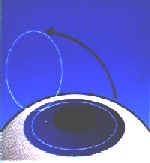
| A flap of cornea is skimmed off, keeping it attached at one edge. This layer is only a
fraction of a millimeter thick, but the procedure causes much less damage to the
important front surface
than PRK. Older techniques use a keratome blade to form the flap, newer
machines use a "femto laser" to cut it. Using the laser should reduce the
very occassional flap breakdown problems. |
|
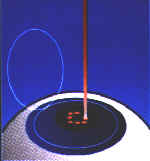
| The laser then shapes the exposed surface of the cornea to alter the refractive power of the eye. The latest lasers use a "scanning spot" system which has much greater control over the final shape than the older "annular" systems. Very accurate control of the laser is needed and the position of the eye is monitored before each laser flash. Any small movement is allowed for, larger movements stop the process until the eye is back in position. | |
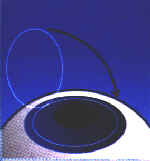
| Once the corneal surface has been moulded as required the flap is carefully replaced.
A skilled surgeon can get the flap back in almost exactly the same place and healing is
extremely quick. Vision is nearly normal within minutes. If the flap is replaced incorrectly then the cornea will have an irregular front surface and poor vision will be the result. This happens very rarely and can usually be rectified. |
|
| A video of a LASIK procedure can be viewed here |